Prior to the creation of synthetic fibers, most knit items were made with thread spun from either cotton or wool. This sock has been identified as cotton, which was known to be widely grown in Egypt by this point, and is perhaps a slightly cooler choice than wool temperature wise.
There is evidence of cotton textiles in Nubia (neighbor of Egypt) from the 3rd century BCE, though it is unclear whether this cotton was grown, spun, and woven locally or if the textiles were imported from India, which already had a vibrant cotton industry at that point.1
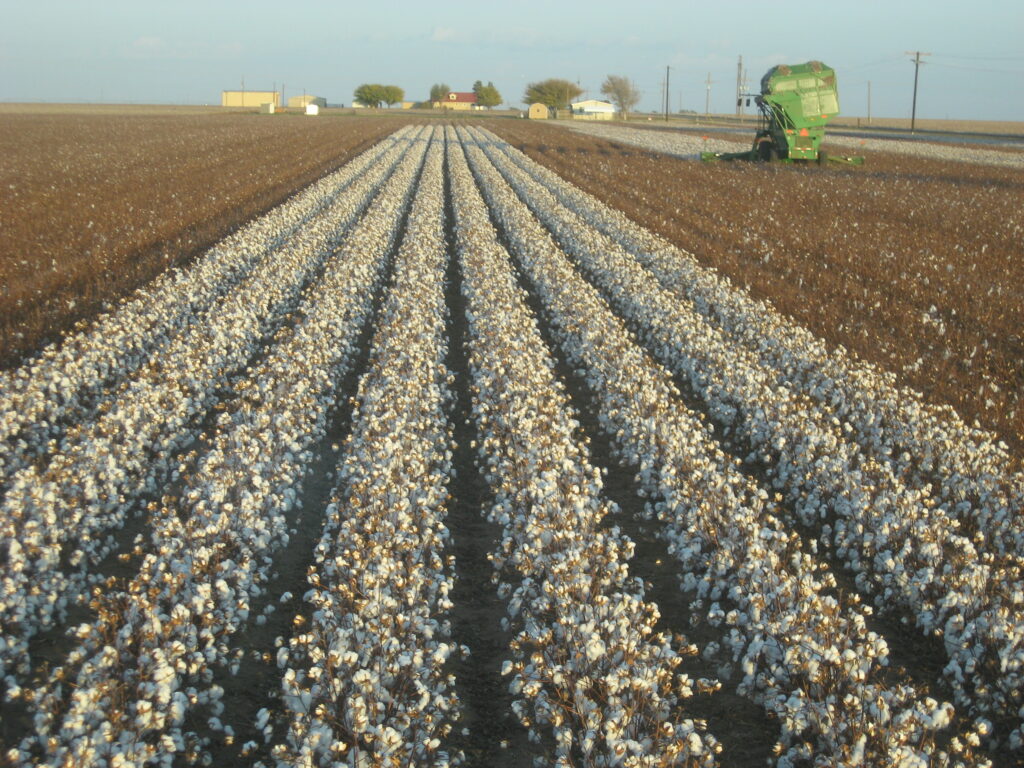

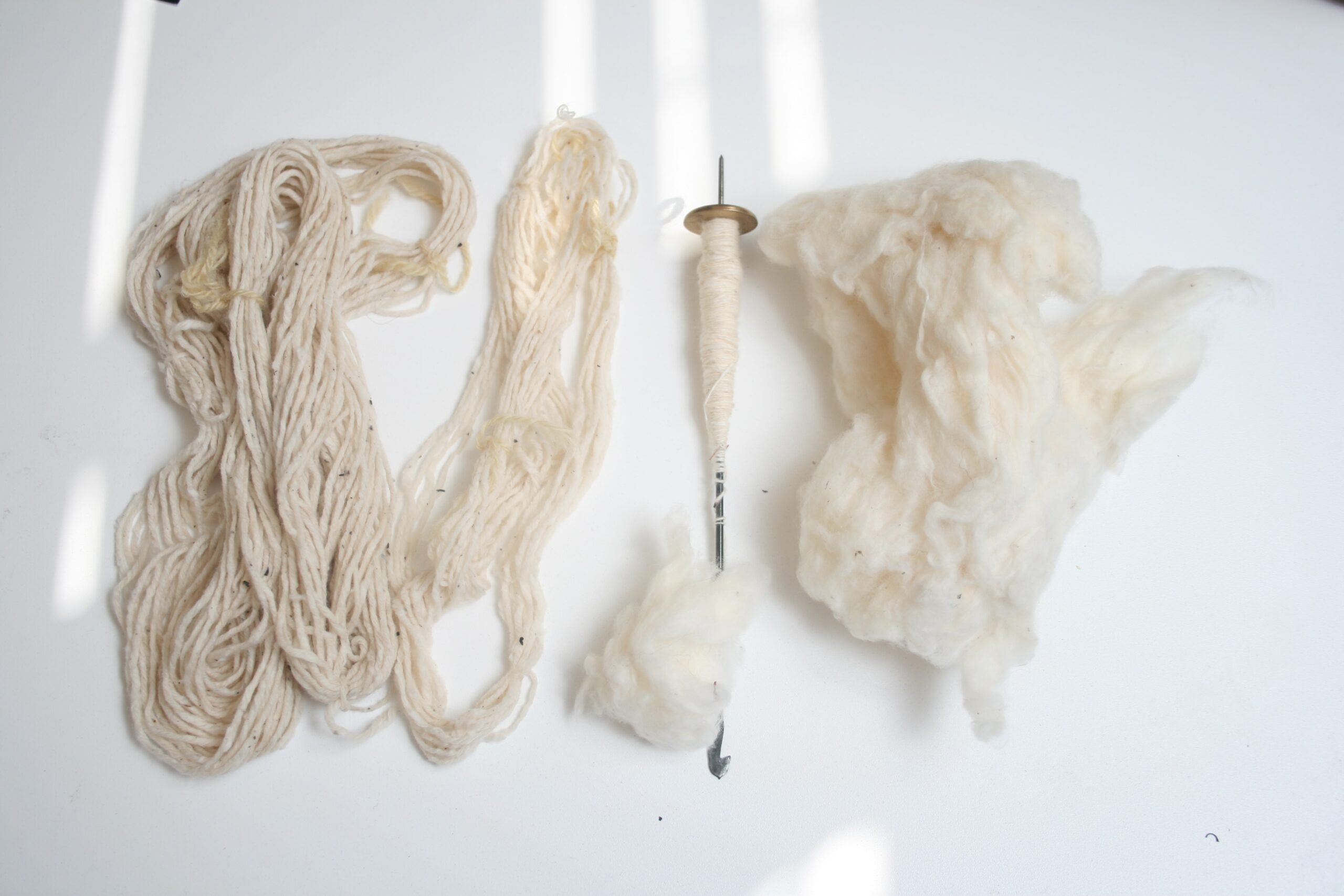
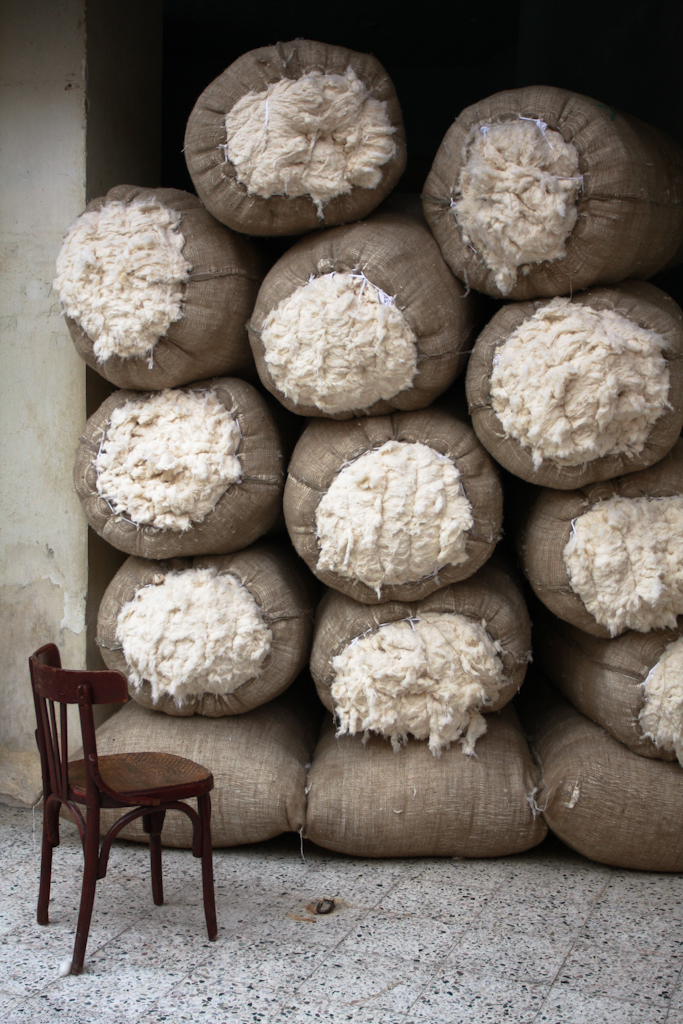
While it seems that cotton was not grown in Lower Egypt prior to the Islamic period, there is extensive evidence of cotton production in Egypt and Nubia by the 12th century CE.2 Indeed, there is much evidence that the spread of Islam throughout Africa was followed by or coincided with the spread of cotton as a fabric of common use for people of all social classes.3 It did not fully replace the use of linen, which remained widespread in Egypt.4 Egypt also began exporting their own cotton to Europe in the medieval period, along with trading on cotton they had received from further east.5
Wool, which is commonly used today in knitting and is found more frequently in northern European contexts, was worn much more rarely in Egypt.6 One scholar explained that “wool…was not permitted inside temples or for burial” which could explain why few fragments remain today; it does seem that wool was used most often for shawls and blankets whereas linen and cotton were used for garments, like socks.7
Footnotes
- F. Ll. Griffith and G. M. Crowfoot, “On the Early Use of Cotton in the Nile Valley,” The Journal of Egyptian Archaeology 20, no. 1/2 (1934): 9-11; Andrew M. Watson, Agricultural Innovation in the Early Modern World (Cambridge, UK: Cambridge University Press, 1983), 34.
- Watson, Agricultural Innovation, 34; Griffith and Crowfoot, “On the Early Use of Cotton,” 7.
- Watson, Agricultural Innovation, 40-41.
- Jenny Balfour-Paul, Indigo in the Arab World (Richmond: Curzon Press, 1997), 29.
- Watson, Agricultural Innovation, 40.
- Balfour-Paul, Arab World, 29.
- Griffith and Crowfoot, “On the Early Use of Cotton,” 5.